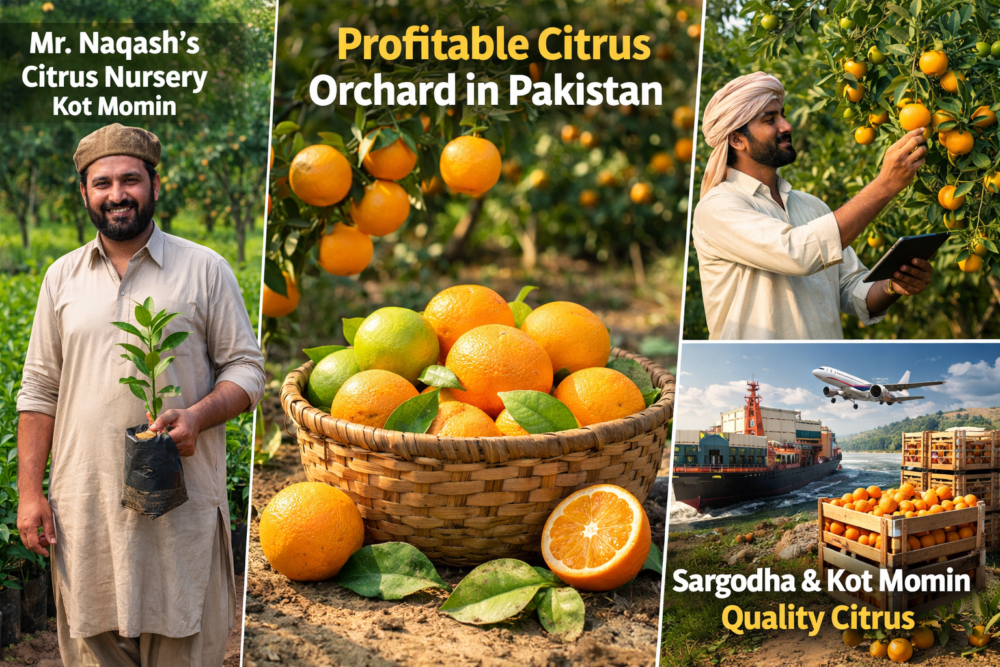
Growing a profitable citrus orchard in 2026 requires meticulous planning, expert horticultural knowledge, and a strategic approach to orchard management. As the global demand for citrus fruits continues to rise due to their nutritional benefits and increasing use in food and beverage industries, investing in citrus cultivation can yield substantial returns if executed correctly. In this comprehensive guide, we provide detailed strategies to maximize yield, quality, and profitability.
Choosing the Right Citrus Varieties for Profitability
Selecting the appropriate citrus varieties is the cornerstone of a successful orchard. Market trends and regional adaptability must guide your choices. High-demand varieties such as navel oranges, Valencia oranges, lemons, limes, and mandarins should be prioritized based on consumer preference and climatic suitability.
- Navel Oranges: Ideal for fresh fruit markets due to their seedless nature and long shelf life.
- Valencia Oranges: Best for juice production; they provide high yields and are highly resilient to pests.
- Lemons and Limes: Excellent for commercial juice and culinary industries. Varieties like Eureka and Persian lime offer consistent production.
- Mandarins: Popular for their sweetness and easy-to-peel characteristics, making them ideal for premium fresh fruit markets.
Selecting rootstocks that enhance disease resistance, drought tolerance, and soil adaptability is equally critical. Rootstocks like Trifoliate orange, Swingle citrumelo, and Cleopatra mandarin are proven to increase productivity and longevity.
Site Selection and Soil Preparation for Maximum Yield
The success of a citrus orchard begins with the proper selection of location and soil preparation. Citrus trees thrive in well-draining, loamy soils with pH levels between 6.0 and 7.5. Avoid low-lying areas prone to waterlogging, as standing water can promote root rot and fungal infections.
- Conduct a comprehensive soil test to determine nutrient deficiencies and pH levels.
- Implement deep plowing and organic amendment with compost or well-rotted manure to enhance fertility.
- Ensure proper orchard layout, with rows oriented to maximize sunlight exposure and air circulation, reducing disease incidence.
Additionally, consider microclimate factors, such as frost risk, wind exposure, and humidity, as these directly impact fruit quality and flowering cycles.
Advanced Irrigation Techniques for Optimal Growth
Efficient water management is critical in modern citrus farming. Drip irrigation systems are highly recommended due to their precision and water-saving benefits. They deliver water directly to the root zone, reducing wastage and minimizing disease risks associated with wet foliage.
Key irrigation strategies include:
- Scheduled irrigation cycles aligned with tree age, seasonal growth stages, and weather conditions.
- Soil moisture monitoring using sensors or tensiometers to maintain optimal hydration without overwatering.
- Integration with fertigation systems, allowing the simultaneous delivery of nutrients for enhanced growth.
Proper irrigation management ensures consistent fruit size, sweetness, and overall yield quality.
Fertilization and Nutrient Management for Maximum Profits
Citrus trees are heavy feeders, requiring a balanced nutrient program to sustain high yields. Fertilization should be tailored based on soil test results and tree age. Essential macro and micronutrients include Nitrogen (N), Phosphorus (P), Potassium (K), Magnesium (Mg), Zinc (Zn), and Boron (B).
- Young Trees (1-3 years): Focus on nitrogen for vegetative growth.
- Mature Trees (4+ years): Balanced NPK for fruit development and quality.
- Foliar Sprays: Use chelated micronutrients to correct deficiencies quickly.
Implementing a fertigation system ensures precise nutrient delivery, reducing wastage and enhancing tree vigor. A well-managed nutrient program not only improves fruit quality but also increases market value.
Integrated Pest and Disease Management (IPM)
A profitable citrus orchard relies on minimizing pest and disease losses. Key citrus pests include citrus leafminer, aphids, scale insects, and citrus thrips, while diseases like greening (HLB), canker, and root rot pose severe threats.
Effective strategies include:
- Regular monitoring and scouting to detect early infestations.
- Biological control agents, such as beneficial insects, to reduce chemical dependence.
- Targeted pesticide application using low-impact chemicals to prevent resistance.
- Cultural practices like pruning for better airflow and removing infected plant material.
Implementing an IPM approach ensures a healthy orchard with high-quality, market-ready fruits.
Pruning and Canopy Management
Proper pruning techniques are essential to enhance fruit production and maintain tree health. Pruning helps:
- Remove dead or diseased branches.
- Shape the tree for optimal sunlight penetration.
- Encourage new fruit-bearing shoots.
Annual or semi-annual pruning schedules, combined with canopy thinning, prevent overcrowding, reduce pest pressure, and improve fruit uniformity and color, which are critical for premium market pricing.
Harvesting and Post-Harvest Handling
The profitability of a citrus orchard is determined not only by yield quantity but also by fruit quality. Harvesting at the correct stage of maturity is essential.
- Use manual harvesting with careful handling to avoid bruising.
- Implement grading and sorting based on size, color, and firmness.
- Use controlled storage conditions, including temperature and humidity management, to extend shelf life.
Post-harvest practices like washing, waxing, and packaging enhance fruit appearance and market value, allowing growers to access premium markets.
Market Strategy and Profit Maximization
Understanding market dynamics is critical to maximize profits. Strategies include:
- Direct sales to retailers and consumers through farmers’ markets or CSA (Community Supported Agriculture) programs.
- Contract agreements with juice processors for bulk sales.
- Export opportunities, leveraging organic or specialty certifications to access high-value international markets.
Diversifying market channels ensures consistent revenue and reduces dependency on a single buyer, mitigating risk.
Leveraging Technology for Modern Citrus Farming
In 2026, technology integration is pivotal for profitability. Tools like precision agriculture software, drone monitoring, and AI-powered analytics allow real-time monitoring of tree health, soil moisture, and pest pressures.
Benefits include:
- Early detection of disease outbreaks.
- Optimized irrigation and fertilization schedules.
- Enhanced yield predictions for better market planning.
Investing in technology improves operational efficiency, reduces input costs, and ensures higher returns on investment.
Sustainability and Long-Term Orchard Viability
Sustainable practices increase long-term profitability by reducing input costs and enhancing soil health. Techniques include:
- Organic soil amendments to maintain fertility.
- Cover cropping to prevent soil erosion and enhance microbial activity.
- Integrated water management to conserve resources.
Sustainably managed orchards attract environmentally conscious consumers and often qualify for government incentives, further boosting profitability.
How to Grow a Profitable Citrus Orchard in Pakistan in 2026
Growing a profitable citrus orchard in Pakistan in 2026 requires careful planning, selection of the right varieties, and modern orchard management techniques. With the increasing domestic and export demand for citrus fruits, especially oranges, kinnows, and mandarins, investing in citrus cultivation in regions like Kot Momin and Sargodha can yield substantial returns. In this detailed guide, we cover all aspects of establishing a citrus orchard that maximizes yield, quality, and profitability.
Selecting the Best Citrus Varieties from Kot Momin and Sargodha
For Pakistani citrus orchards, choosing the right local varieties is critical. Kot Momin and Sargodha are renowned for producing high-quality citrus plants that are well-adapted to the climate of Punjab. Popular varieties include:
- Kinnow (Mandarin hybrid): The most commercially grown variety in Pakistan. Known for its sweetness, juiciness, and high market demand.
- Sweet Oranges (Blood and Musambi): Ideal for fresh fruit and juice production.
- Lemons (Eureka and Lisbon): Suitable for culinary use and juice markets.
Citrus saplings are available from Kot Momin, and we recommend contacting Mr. Naqash, who owns a well-established nursery farm there. His nursery specializes in high-quality, disease-free citrus plants suitable for commercial orchards.
Contact details:
- Location: Kot Momin, Punjab, Pakistan
- Nursery Owner: Mr. Naqash
WhatsApp: 03060656289
Mobile: 03402016918
Sourcing plants from Kot Momin ensures healthy, locally adapted trees that are resilient against local pests and climatic conditions.
Site Selection and Soil Preparation in Punjab
Citrus trees thrive in well-drained, sandy-loam soils with pH between 6.0 and 7.5. Both Kot Momin and Sargodha provide ideal soil conditions for citrus orchards. Key steps include:
- Conducting soil testing to determine nutrient deficiencies.
- Implementing deep plowing and organic amendments with compost or farmyard manure to enhance fertility.
- Designing an orchard layout with optimal spacing (typically 15-20 feet between trees) for proper sunlight exposure and air circulation.
Avoid low-lying areas prone to waterlogging, as excess moisture can lead to root rot and fungal infections.
Irrigation Management for Maximum Productivity
Water management is crucial for citrus trees, especially in Pakistan’s semi-arid climate. Recommended methods include:
- Drip irrigation systems: Deliver water directly to the root zone, conserving water and reducing disease risks.
- Scheduled irrigation: Align watering frequency with seasonal growth stages and local climate conditions.
- Fertigation integration: Combine irrigation with fertilizers to ensure optimal nutrient uptake.
Proper irrigation ensures uniform fruit development, higher juice content, and better-quality citrus.
Fertilization and Nutrient Management
Citrus trees require a balanced nutrient program for maximum yield and profitability. Fertilization should be based on soil test results:
- Nitrogen (N): Supports vegetative growth.
- Phosphorus (P): Promotes root development.
- Potassium (K): Essential for fruit size, sweetness, and color.
- Micronutrients (Magnesium, Zinc, Boron): Prevent deficiencies that affect fruit quality.
For young trees (1–3 years), focus on nitrogen-rich fertilizers. For mature trees, apply a balanced NPK regime along with micronutrient foliar sprays to improve fruit quality. Fertigation systems can optimize nutrient delivery and reduce costs.
Integrated Pest and Disease Management (IPM)
Citrus orchards in Pakistan face common pests such as citrus leafminer, aphids, and scale insects, and diseases like citrus canker and HLB (huanglongbing). Effective management strategies include:
- Regular monitoring and scouting to detect early infestations.
- Biological controls: Introduce beneficial insects like ladybugs to manage pests naturally.
- Targeted chemical applications only when necessary to avoid resistance.
- Cultural practices: Prune dense canopies and remove diseased branches promptly.
Following IPM ensures healthy orchards with high-quality fruits for domestic and export markets.
Pruning and Canopy Management
Proper pruning enhances sunlight penetration, reduces disease risk, and improves fruit quality. Key practices:
- Remove dead, diseased, or overcrowded branches.
- Shape trees for uniform growth and optimal fruiting.
- Thin canopies to improve air circulation and light exposure, leading to larger and sweeter fruits.
Pruning schedules in Punjab typically follow post-harvest and mid-season cycles, ensuring trees remain productive year after year.
Harvesting and Post-Harvest Handling
Harvesting at the correct maturity stage is crucial for profitability:
- Use manual picking to prevent fruit damage.
- Implement grading and sorting based on size, color, and firmness.
- Store fruits in temperature-controlled conditions to extend shelf life.
Post-harvest handling, including washing, waxing, and packaging, enhances marketability, allowing farmers to sell at premium prices locally and internationally.
Market Strategy and Export Opportunities
Pakistan’s citrus, especially Kinnow from Sargodha and Kot Momin, is highly sought after in international markets such as Middle East, Europe, and Russia. Strategies to maximize profits include:
- Direct sales to wholesalers and retailers within Pakistan.
- Export contracts for bulk shipments.
- Organic certification and high-quality branding to access premium markets.
Diversifying sales channels ensures consistent revenue streams and reduces dependency on a single market.
Technology and Modern Orchard Practices
In 2026, technology is a major factor for profitability in citrus orchards. Implement:
- Drone monitoring for tree health and pest detection.
- Soil moisture sensors for precision irrigation.
- Data-driven yield prediction for market planning.
Modern tools increase efficiency, reduce labor costs, and improve overall orchard productivity.
Sustainability and Long-Term Orchard Viability
Sustainable practices ensure long-term profitability:
- Apply organic fertilizers to maintain soil fertility.
- Use cover crops to prevent erosion and improve soil health.
- Implement efficient water management to conserve resources.
Sustainably managed orchards attract conscious consumers and may qualify for government incentives or export benefits.
By sourcing high-quality citrus plants from Kot Momin and adopting advanced orchard management practices, we can establish a profitable citrus orchard in Pakistan. From proper site selection and irrigation to pest control and market strategy, each step contributes to higher yield, better fruit quality, and maximized profits.